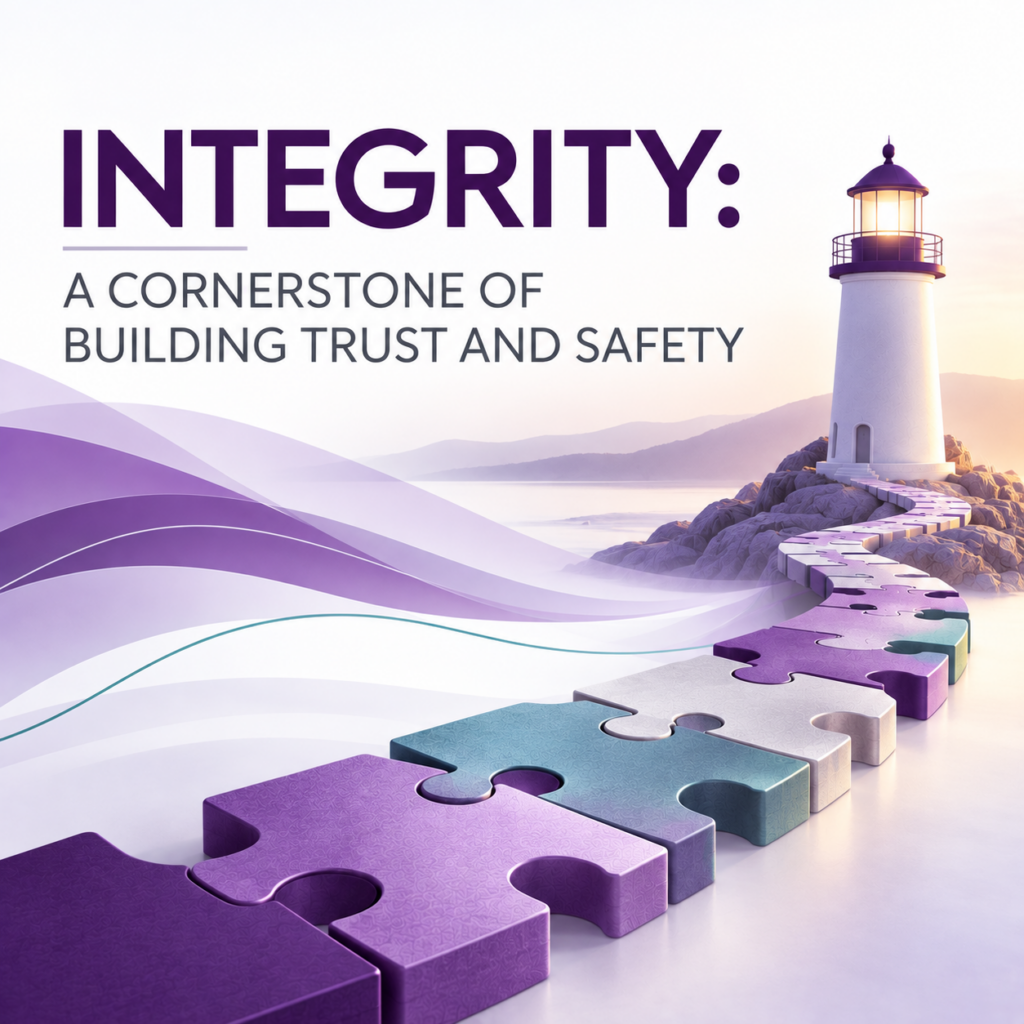
Integrity: A Cornerstone of Building Trust and Safety
There are many values that influence how I work, but integrity sits firmly at the heart of my practice and is a cornerstone of everything we do at Jigsaw.coach.
At its simplest, integrity is about living and working in a way that is consistent with our values and principles. For me, it is the alignment between what I believe, what I say and what I actually do. Transparency, authenticity and honesty are central to this, alongside sensitivity, empathy and connection.
Integrity is also closely connected with trust and safety. I want the people I work with to experience openness and consistency in our relationship, and to know that what I say is reflected in what I do. I recognise that trust is not something I can simply expect or assume. It develops through the relationship, through our interactions and, importantly, through how I continue to show up over time.
Integrity in everyday practice
Integrity is often visible in relatively small, everyday choices.
One example is pricing. Wherever possible, Jigsaw.coach prices are clearly available on the website. I want people to know what something costs and decide whether it is right for them without having to arrange a conversation or make an enquiry first. For me, that is simply part of being transparent about how I work.
The same applies when somebody approaches me about working together. I am open about what I can offer and equally open about what I cannot. There are times when I may not be the right person for a particular piece of work, or when somebody else may be better placed to offer what is needed. In those situations, I would rather say so.
Sometimes integrity means saying no when saying yes would be easier.
Integrity also sits at the heart of the feedback and observations I offer through mentor coaching, supervision and facilitation. Across each of these areas, people are trusting me to offer an authentic professional perspective, including saying what I genuinely notice and think rather than simply what might be easier or more comfortable to hear. How I communicate that matters too. Sensitivity, empathy and respect are essential in creating relationships where meaningful, and sometimes challenging, conversations can take place.
A personal and professional commitment
As an ICF and EMCC credentialed practitioner, I work within the codes of ethics and professional standards of both organisations. These provide important frameworks for my practice and the responsibilities I hold towards the people and organisations I work with.
My relationship with integrity, however, is also deeply personal.
It means being willing to acknowledge when I do not know something, recognising when I have got something wrong and being clear about the limits of my expertise. It means taking responsibility for the commitments I make and continuing to reflect on whether my actions genuinely align with the values I say are important to me.
Fundamentally, I want the way I work to reflect the things that matter to me personally as well as professionally. Being transparent and authentic, while bringing honesty, sensitivity and empathy to the relationships I build, is an important part of this. Connection matters enormously to me too. For me, these qualities are closely intertwined, with integrity providing the foundation for how I choose to work and how I hope others experience working with me.
Maybe you can reflect: where, in your own work, is integrity most visible – and where might there be an opportunity to bring your values and your practice into even closer alignment?